Navigating the Pallet Liquidation Market: What You Need to Know
Navigating the pallet liquidation market presents both opportunities and challenges. A strategic approach is necessary for those considering entry into this market. Grasping the intricacies of product evaluation and supplier reliability is imperative. Furthermore, recognizing potential risks can protect investments. As the market keeps developing, the ability to adjust will shape success. How should one proceed to confidently build a presence in this demanding environment?
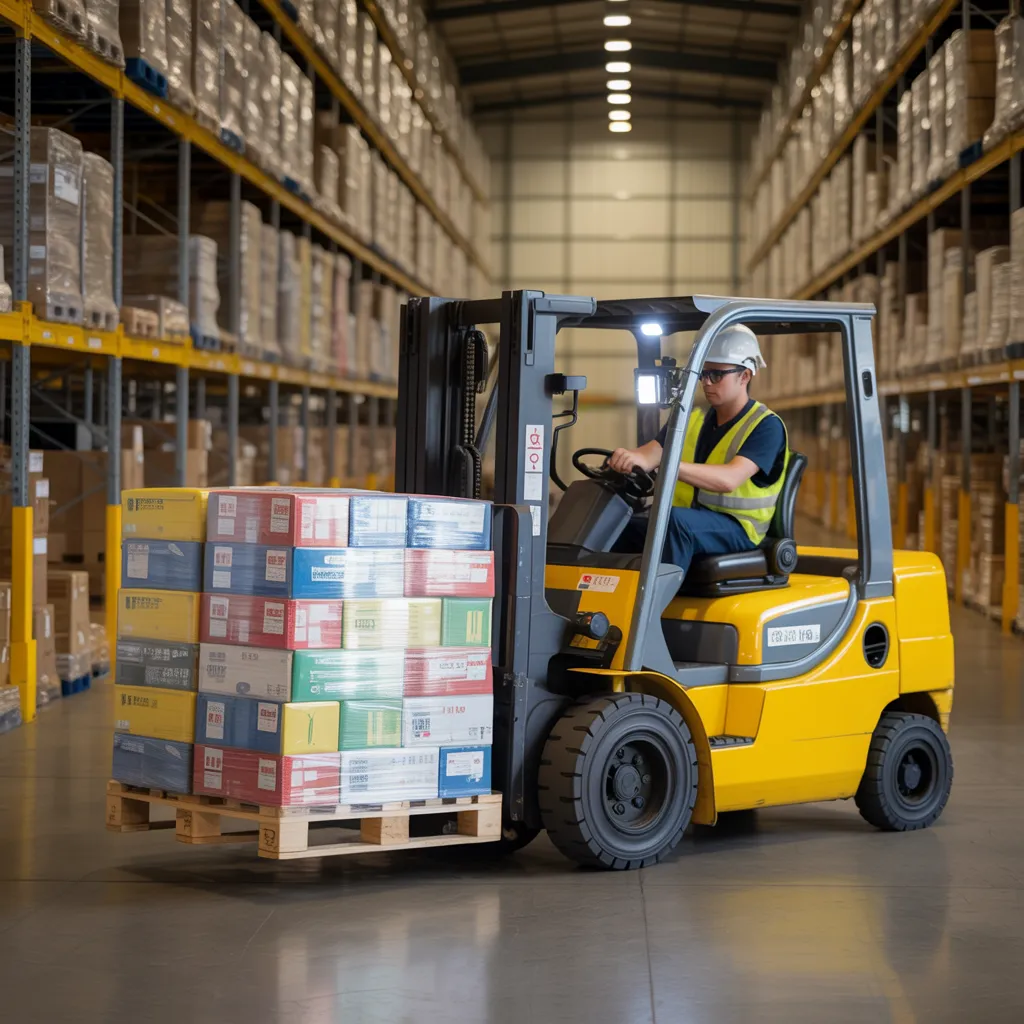
How to Begin With Pallet Liquidation
Getting started with pallet liquidation requires strategic planning and thoughtful decision-making. Those looking to enter this market should first evaluate their objectives, whether for personal use or resale. Gaining knowledge of the products typically available in liquidation pallets is crucial, as this knowledge directly impacts purchasing choices. Analyzing market demand assists in pinpointing high-value products, which leads to a more calculated approach.
Additionally, financial planning is important; prospective purchasers should figure out their spending limit while taking into account supplementary costs such as shipping fees, storage costs, and potential repair expenses.
Establishing a dedicated area to arrange and assess items is equally important, allowing for effective inventory management.
Ultimately, establishing realistic goals helps with maneuvering the beginning learning process. By tackling pallet liquidation with a structured plan and clear objectives, beginners can increase their potential for success in this dynamic market.
Identifying Dependable Suppliers for Liquidation Pallets
Locating reputable providers for pallet liquidation is essential for those entering this field. Your first move is to conduct thorough research, leveraging online platforms and forums dedicated to the liquidation pallet industry. These platforms often include ratings and reviews that can aid in assessing provider legitimacy. Building connections in local commercial networks or joining liquidation auctions can also offer helpful guidance and referrals.
Moreover, prospective buyers should search for suppliers with open operations, offering detailed information about their sourcing methods and stock. It is recommended to obtain sample pallets before making larger purchases, as this allows buyers to assess the overall quality of the merchandise. Dependability can also be determined by a supplier's customer support; fast and knowledgeable answers demonstrate professionalism. At the end of the day, establishing a reliable relationship with suppliers can result in stronger deals and steady inventory, vital for success in the business of pallet liquidation.
How to Assess Pallet Liquidation Goods
Assessing pallet liquidation products demands a methodical strategy. Key factors include reviewing the product condition, assessing market trends, and confirming brand integrity. By focusing on these aspects, investors can form well-considered purchasing judgments that maximize profit margins.
Evaluate Product Condition
Assessing the condition of goods in pallet liquidation is crucial for maximizing potential profit. Investors must conduct a thorough inspection of items to identify their usability and resale value. This includes checking for physical damage, verifying that all components are present, and assessing whether products are new, refurbished, or used. A comprehensive inventory list can assist in this process, allowing for easier tracking of items' conditions. Additionally, being aware of return policies and warranties may affect purchasing decisions. By properly appraising product condition, investors can arrive at informed choices that align with their business strategies, ultimately leading to more successful liquidation outcomes. Thorough evaluation not only secures investments but also strengthens overall market competitiveness.
Assess Market Demand
Comprehending consumer demand is a fundamental element of evaluating pallet liquidation goods. Purchasers must research prevailing trends to identify which items hold the greatest resale worth. This involves reviewing popular segments, such as electronics, home goods, and apparel, and measuring seasonal fluctuations that may affect demand. Using online platforms and marketplaces can provide perspective into price points and consumer preferences. Furthermore, tracking social media and customer reviews can reveal emerging trends and preferences. By recognizing the target audience and their consumer patterns, resellers can make informed decisions, ensuring they select pallets that are not only in demand but also capable of yielding a profitable return. Effective assessment of market demand fundamentally enhances the success of pallet liquidation ventures.
Confirm Brand Authenticity
Authenticating the authenticity of brands is critical for optimizing profits in the pallet resale market. Purchasers should perform detailed investigations to ensure the products they source are real. This entails scrutinizing packaging, logos, and product details against official brand guidelines. Checking alongside brand resources and online testimonials can shed light on the authenticity of the goods. Additionally, leveraging digital scanning solutions or brand verification services can further confirm a merchandise's source. Engaging with seller histories on trading platforms and industry forums is also critical, as reputable vendors typically supply verified items. By emphasizing genuine merchandise, resellers can boost their profit margins and minimize losses from inauthentic goods, thereby increasing overall earnings in the dynamic pallet resale environment.
Recognizing Risks When Purchasing Liquidation Pallets
When acquiring wholesale liquidation pallets, buyers should be mindful of a number of inherent risks. Hidden costs can greatly impact profitability, while quality variability may affect overall satisfaction with the merchandise. Furthermore, performing comprehensive market research is essential to arrive at educated decisions and mitigate these risks.
Hidden Costs Involved
What unforeseen expenses might arise when purchasing liquidation pallets? Buyers often underestimate the potential hidden costs associated with these transactions. Delivery charges can differ considerably, especially for wholesale orders, potentially driving up the overall cost. Moreover, buyers might come across unanticipated handling expenses when the pallets reach them, particularly when special machinery is required for unloading. Warehousing costs may additionally emerge if purchasers do not have sufficient space to store the merchandise. Beyond that, refund or disposal fees can build up if merchandise is compromised or unmarketable. Lastly, the effort spent organizing and listing products can result in workforce expenses, contributing to the total outlay. Awareness of these hidden costs is essential for buyers to guarantee a successful liquidation experience.
Quality Consistency Issues
How do buyers make certain they obtain quality products when acquiring liquidation pallets? Quality variability is a significant concern in the liquidation market, as items can vary from brand new to damaged or unsellable. Purchasers frequently encounter the risk of obtaining items that fall short of their expectations, causing potential monetary losses. To mitigate these risks, it is essential for buyers to conduct thorough research on suppliers, including reading reviews and verifying their reputation. Moreover, reviewing sample pallets or obtaining detailed manifests can deliver useful information about the expected quality. Familiarizing oneself with return policies and warranty options can further help buyers protect their investments. In the end, thoroughness and a careful approach are essential to navigating the quality uncertainties in liquidation pallets.
Market Research Essentials
Concerns about quality variability require a thorough understanding of the risks associated with purchasing liquidation pallets. Purchasers should perform thorough market research to identify potential pitfalls, such as misleading product descriptions and hidden damages. Being aware of the pallet's origin is vital; reputable suppliers typically offer more consistent products. Furthermore, buyers should evaluate the potential resale value of items within the pallets, as market demand can fluctuate considerably. Familiarity with product categories can aid in making informed decisions. Beyond that, checking return policies and warranty coverage can minimize financial losses. By keeping these considerations in mind, shoppers can manage the liquidation market more successfully, minimizing the risk of unanticipated losses and optimizing potential returns.
How to Profitably Resell Liquidation Merchandise
Selling liquidation merchandise can be a lucrative venture when handled with a thoughtful approach. The foundation of success lies in careful product assessment; understanding the condition and potential resale value is essential. Resellers ought to sort merchandise into categories—unused, reconditioned, and pre-owned—to appeal to a broader range of buyers.
Effective marketing plays a significant role; utilizing online platforms such as eBay, Amazon, or specialized liquidation sites can help reach potential buyers. Clear, high-resolution images and comprehensive descriptions improve trust and overall appeal.
Pricing approaches ought to consider both the base cost and market demand; competitive pricing can facilitate quicker sales. Moreover, building strong customer relationships through exceptional service drives repeat business.
Moreover, staying informed about consumer preferences and market trends helps merchants to tailor their offerings appropriately, maximizing profit potential. By implementing these strategies, sellers can successfully manage the complexities of the liquidation market, achieving a fulfilling and profitable resale venture.
Controlling Your Budget for Liquidation Purchases
Effectively handling a budget for purchasing liquidation goods is essential for buyers aiming to excel in this industry. A well-defined budget enables purchasers to determine their financial limits and prioritize potential purchases. It is vital to research the average costs of pallets, including delivery and handling costs, to prevent excessive spending.
Purchasers should also develop a clear approach for the amount of capital to allocate for various types of inventory, ensuring a balanced method that minimizes potential risks. Tracking sales and expenses can deliver important data, facilitating modifications in upcoming budgets.
Reserving a emergency fund for unforeseen expenses or prospects can greatly improve financial flexibility. Investors must also exercise restraint, avoiding the urge to surpass their spending limits for impulse buys. By carefully managing their monetary affairs, individuals can maximize their returns and build a sustainable approach to acquiring liquidation merchandise.
Establishing a Successful Liquidation Business
When people join the liquidation market, creating a thriving enterprise necessitates a calculated methodology that includes sourcing, inventory management, and sales techniques. Accomplished sellers commence by identifying dependable suppliers for top-tier liquidation pallets, including bulk suppliers and bidding marketplaces. Understanding market trends is essential; savvy buyers focus on demand-driven products to enhance revenue opportunities.
Successful inventory management encompasses tracking stock levels and evaluating the profitability of items. This empowers business owners to make educated decisions concerning restocking and pricing. Additionally, employing diverse sales channels—like online marketplaces, community flea markets, or retail outlets—can boost visibility and connect with a wider audience.
Marketing approaches are equally important. A strong social media presence combined with targeted advertising helps attract customers and boost sales. Ultimately, a balanced approach to sourcing, management, and marketing enables individuals to thrive in the competitive liquidation landscape, paving the way for sustained profitability.
Frequently Asked Questions
What Product Types Are Typically Included in Liquidation Pallets?
Liquidation pallets commonly contain an assortment of merchandise, including electronics, home goods, clothing, furniture, and seasonal items. These pallets can contain surplus stock from retailers, excess inventory, or returned items. Typically, the merchandise is new or barely used, while some products may require small repairs. Buyers can find brand-name merchandise alongside lesser-known brands, presenting options for resale or personal use at lower prices, making them appealing for both individuals and small businesses.
How Does Shipping Cost Influence Pallet Liquidation Purchases?
Shipping expenses significantly affect pallet liquidation purchases by contributing to the overall expenditures. Resellers should evaluate these costs when assessing projected margins, as high shipping fees can erode margins. Furthermore, shipping rates may vary based on distance and the weight of the pallets, affecting buying choices. A complete understanding of these costs can enable resellers to make well-informed selections, ensuring that the potential gains from reselling products outweigh the logistical expenses incurred.
Are There Seasonal Trends in Pallet Liquidation Availability?
Seasonal fluctuations in pallet liquidation availability are apparent, with specific periods of the year demonstrating higher inventory levels. Commonly, in the aftermath of major holidays or retail seasons, excess stock generates more liquidation prospects. Moreover, the spring and summer months regularly witness an increase in liquidation as retailers offload seasonal products. In contrast, the winter months tend to experience reduced activity, as companies prioritize holiday sales, influencing the availability of liquidation pallets.
Is It Possible to Purchase Liquidation Pallets in Smaller Amounts?
That's correct, smaller quantities of liquidation pallets are available for purchase. Several liquidation companies and wholesalers extend purchasing options for buyers wanting fewer pallets, serving individual resellers and small business owners. This adaptability empowers buyers to assess market conditions or oversee their stock more efficiently. However, availability may vary, making it wise for interested buyers to explore vendors that particularly support smaller purchase quantities.
What Are the Tax Consequences of Reselling Liquidation Products?
Reselling liquidation goods carries specific tax implications. Earnings from reselling are generally subject to income tax, which means resellers are required to declare their income on tax returns. Additionally, sales tax may apply, according to the local regulations and the category of items sold. Resellers are encouraged to keep detailed records of their purchases and sales to guarantee compliance with tax regulations. Working with a tax professional access this information can help identify individual tax responsibilities and available deductions.